
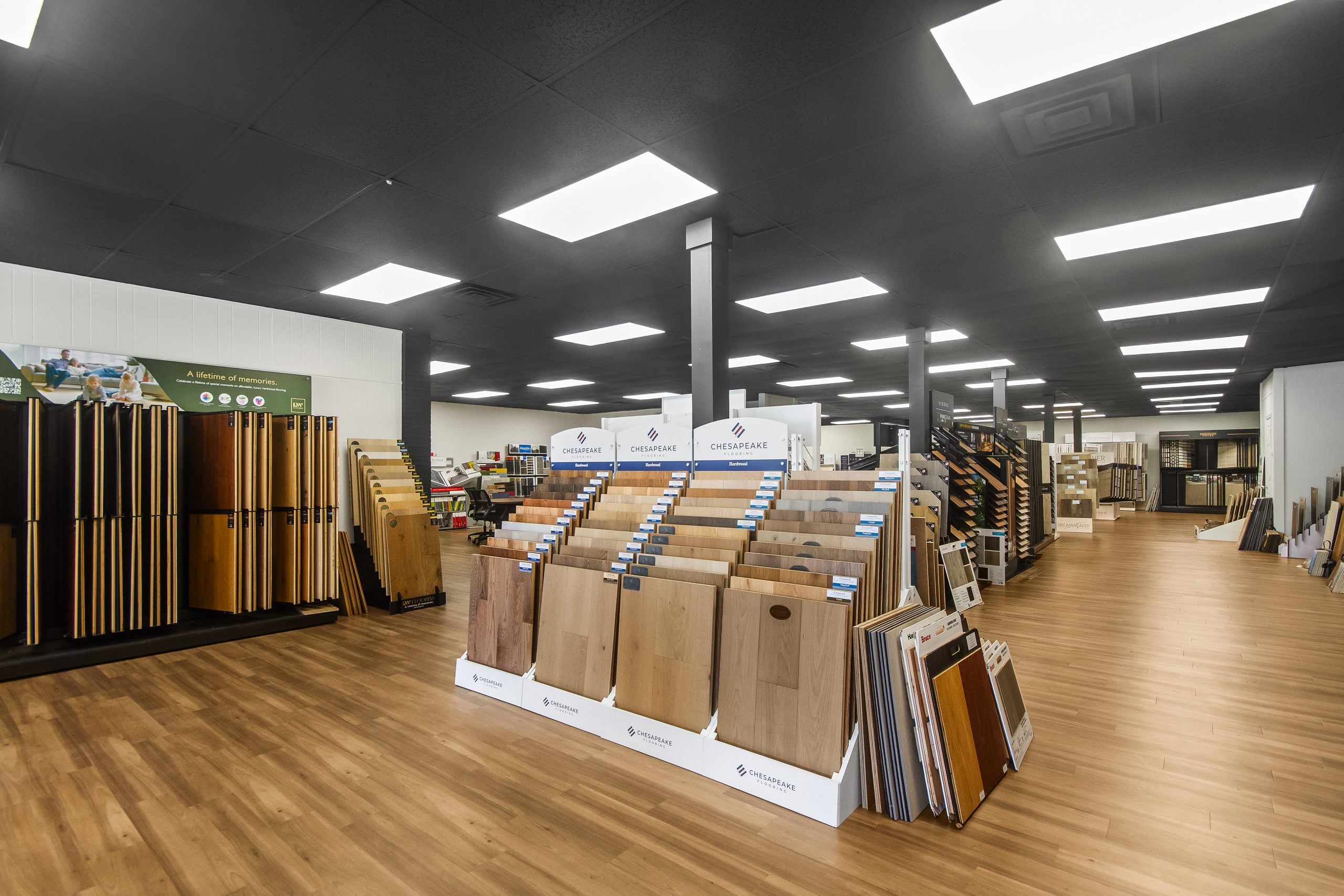

Luxury Vinyl vs. Hardwood: Which Flooring is Right for You?
When it comes to upgrading your home’s floors, two materials consistently rise to the top of homeowners’ wish lists: luxury vinyl flooring (LVP and LVT) and hardwood flooring. Both offer beauty, durability, and style—but they cater to different needs, lifestyles, and budgets.
At Allen Flooring, Jeff Allen has spent more than 30 years helping families across Greenville and Upstate South Carolina choose the perfect floors for their homes. From elegant hardwood installations to modern luxury vinyl transformations, Jeff has seen firsthand what works best for every type of home, family, and lifestyle.
Whether you’re drawn to the warmth of real wood or the practicality of waterproof vinyl, this guide will help you understand the pros, cons, and unique benefits of each option—so you can make the right decision for your space.
The Timeless Beauty of Hardwood Flooring
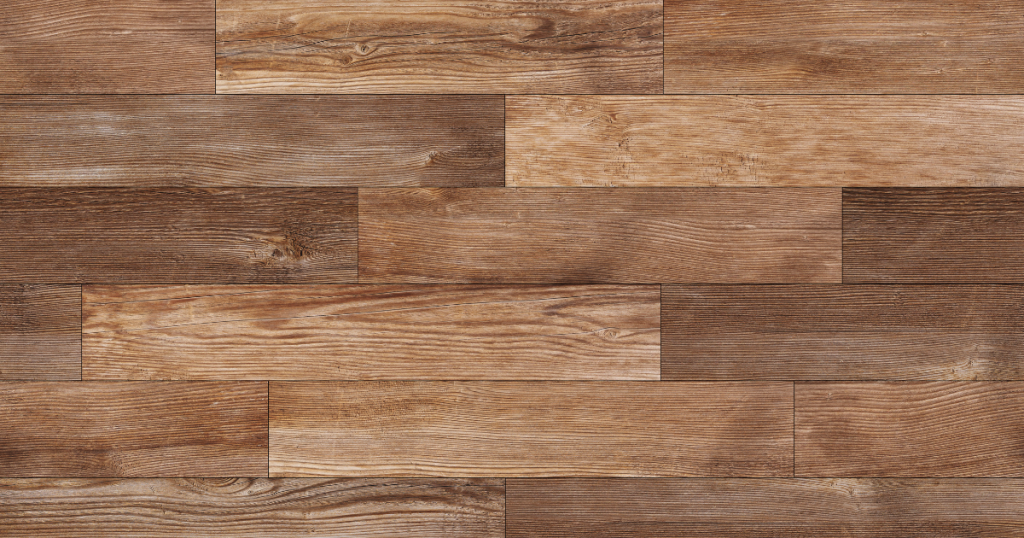
Few materials can match the natural charm and sophistication of real hardwood. Each plank tells a story, showcasing unique grain patterns, textures, and colors that bring warmth and authenticity to your home.
Hardwood has long been considered a symbol of craftsmanship and elegance. When properly maintained, it can last for generations, making it one of the best long-term investments in home design.
Why Homeowners Love Hardwood
- Timeless appeal: Hardwood floors never go out of style. Whether your home is traditional, rustic, or contemporary, wood fits seamlessly into any aesthetic.
- Long-term value: Hardwood is a premium material that adds real value to your home. Many buyers are willing to pay more for homes with hardwood floors because of their durability and classic look.
- Refinishable and renewable: Unlike most other flooring types, hardwood can be sanded and refinished multiple times. This means you can refresh the look of your floors without replacing them entirely.
- Natural warmth and character: Each board of hardwood is unique, adding depth and texture that manufactured materials can only imitate.
- Eco-friendly options: Many hardwood floors today are sustainably sourced, and refinishing existing hardwood is a green alternative to replacement.
Considerations Before Choosing Hardwood
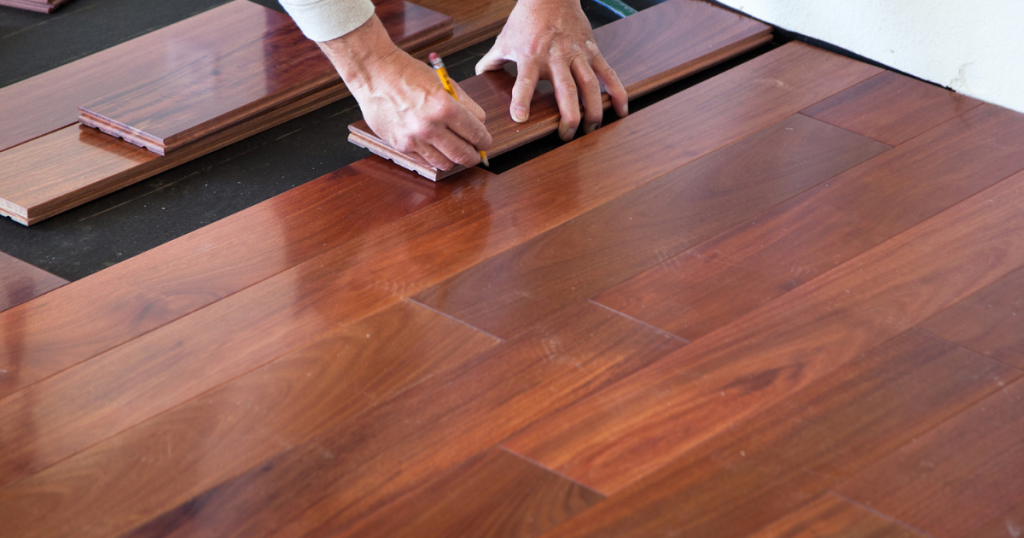
While hardwood offers undeniable beauty, it also comes with a few considerations.
- Moisture sensitivity: Hardwood can warp, swell, or stain if exposed to excessive moisture. This makes it less ideal for bathrooms, basements, or areas prone to spills.
- Upfront cost: Hardwood is typically more expensive to purchase and install compared to other materials like luxury vinyl.
- Maintenance: While it’s easy to clean, hardwood requires regular care, such as refinishing every few years, to keep it looking its best.
- Susceptible to scratches: Pets, high heels, or moving furniture can leave marks—though many homeowners see these as part of its character.
Despite these drawbacks, hardwood remains a favorite for those who value authenticity, long-term investment, and that unmistakable “real wood” feel underfoot.
The Rise of Luxury Vinyl Flooring (LVP & LVT)
Luxury vinyl has transformed dramatically in recent years. Once seen as a budget-friendly alternative, it’s now one of the most advanced and versatile flooring options available.
Made with high-resolution imaging and durable wear layers, luxury vinyl plank (LVP) and luxury vinyl tile (LVT) replicate the look and texture of real wood or stone—often so convincingly that even experts do a double take.
Why Homeowners Choose Luxury Vinyl
- 100% waterproof: Unlike hardwood, luxury vinyl can handle moisture without damage. It’s perfect for kitchens, bathrooms, laundry rooms, and basements.
- Scratch and stain resistant: Designed for everyday life, LVP and LVT stand up well to pets, kids, and heavy foot traffic.
- Affordable elegance: You can achieve the look of high-end hardwood or tile at a fraction of the price.
- Easy maintenance: Simple sweeping and occasional mopping are all it takes to keep vinyl looking new. No refinishing or waxing required.
- Comfortable and quiet: Vinyl’s softer underfoot feel and sound absorption make it great for busy homes.
- Endless design options: From weathered oak and hickory to marble and slate looks, luxury vinyl offers endless styles to suit every taste.
Jeff Allen often recommends luxury vinyl to families who want both beauty and practicality. “It’s a fantastic choice for busy households,” he says. “You get the look of hardwood without the worry.”
A Closer Look at Durability
Luxury vinyl’s construction makes it incredibly resilient. Most planks and tiles feature multiple layers, including:
- A wear layer that resists scratches and stains
- A printed design layer that mimics wood or stone
- A core layer for strength and stability
- A backing layer that provides comfort and sound absorption
This multi-layer build allows it to handle heavy use and moisture far better than natural materials.
Head-to-Head Comparison: Hardwood vs. Luxury Vinyl
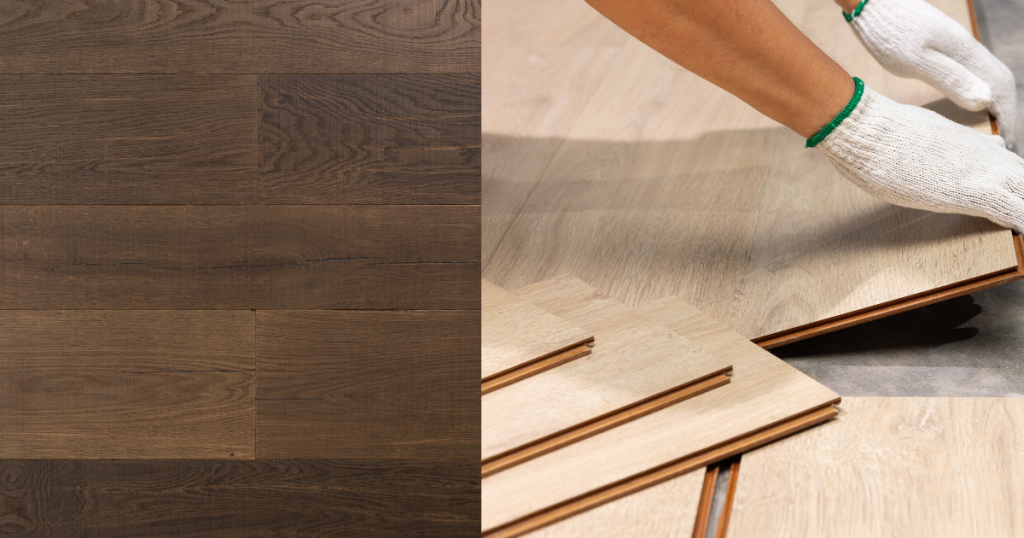
To make your decision easier, here’s how the two stack up in the areas that matter most.
1. Appearance and Style
Both floors are beautiful, but hardwood has the natural edge. No two boards are exactly alike, and the rich grain adds character that’s hard to replicate.
Luxury vinyl, however, comes impressively close. Modern printing technology produces realistic textures and tones, so you can achieve almost any wood or stone look.
2. Durability
Luxury vinyl wins when it comes to moisture resistance and scratch protection. It’s practically waterproof and perfect for high-traffic areas.
Hardwood, while durable, can show wear over time and requires refinishing to maintain its surface.
3. Maintenance
Luxury vinyl is virtually maintenance-free—just regular sweeping and mopping.
Hardwood requires more care and attention, including refinishing every 7–10 years.
4. Longevity
Hardwood can last 50–100 years if maintained properly. Luxury vinyl typically lasts 15–25 years before needing replacement.
5. Comfort
Luxury vinyl has a softer, warmer feel underfoot, especially when paired with underlayment.
Hardwood, while elegant, can feel firmer and cooler—though area rugs can help.
6. Cost
Hardwood is an investment, often costing significantly more upfront for both materials and installation.
Luxury vinyl is much more budget-friendly, offering premium looks at a lower price point.
7. Home Value
While vinyl adds appeal, hardwood increases resale value the most. Many buyers still prefer genuine wood floors and are willing to pay for them.
Where Each Flooring Shines
Hardwood Flooring Is Best For:
- Living rooms, dining rooms, and bedrooms
- Homeowners who want a long-term investment
- Spaces where moisture isn’t a concern
- Those who love the warmth and authenticity of real wood
Luxury Vinyl Flooring Is Best For:
- Kitchens, bathrooms, basements, and laundry rooms
- Families with pets and kids
- Budget-conscious remodels
- Homeowners who want style, durability, and easy care
Ultimately, it’s not about which is “better”—it’s about which fits your home and lifestyle best.
Jeff often advises clients to mix both: hardwood in main living areas for timeless beauty, and luxury vinyl in moisture-prone or high-traffic rooms for convenience. This balanced approach gives you the best of both worlds.
Comments ( 1 )
Comments are closed.
Risus quis varius quam quisque. Scelerisque purus semper eget duis at. Consequat mauris nunc congue nisi vitae. Vestibulum morbi blandit cursus risus. Et egestas quis ipsum suspendisse ultrices gravida. Tristique senectus et netus et.