

Installing new flooring is one of the fastest ways to transform a room. Whether you’re choosing hardwood, laminate, vinyl, or tile, a beautiful floor starts with something many homeowners never see—the subfloor underneath.
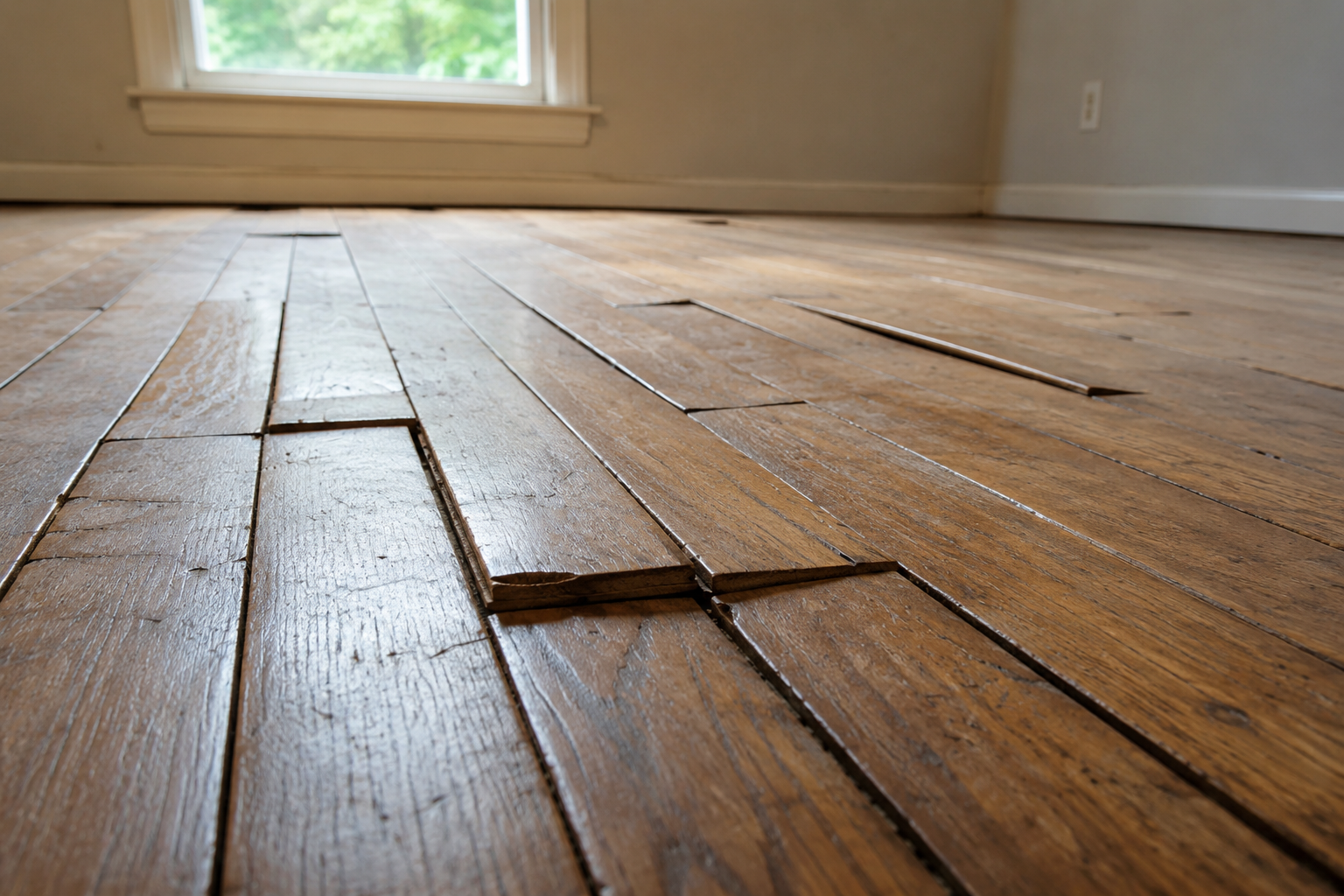
If your floor feels bumpy, squeaks when you walk across it, or has noticeable dips and high spots, installing new flooring without addressing those issues can lead to problems later. Why spend time and money on a new floor only to have it wear unevenly or fail prematurely?
Why Floor Leveling Matters
Think of your flooring as the roof of a house. No matter how attractive the materials are, the structure beneath must be solid and stable. Uneven floors can cause gaps, cracks, shifting planks, and premature wear.
Many flooring materials are designed to perform best on a flat, properly prepared surface. Even small imperfections can become more noticeable after installation, especially with rigid products such as hardwood, laminate, and luxury vinyl flooring.
Before starting any flooring project, it’s important to evaluate the condition of the existing subfloor and correct any issues.
Common Causes of Uneven Floors
Uneven floors can develop for several reasons, including:
- Natural settling of the home over time
- Moisture damage that weakens the subfloor
- Poor original construction
- Structural movement in older homes
- Worn or damaged floor joists
Identifying the root cause is just as important as fixing the visible problem. A floor that continues to move after installation can eventually damage even the highest-quality flooring materials.
How Professionals Assess Floor Conditions
The first step is measuring the floor to locate low spots, high spots, and areas that may require repair. Flooring professionals often use specialized tools to determine how much variation exists across the surface.
Once the problem areas are identified, solutions may include:
Sanding High Spots
Small raised areas can often be sanded down to create a smoother surface. This is a common solution for wooden subfloors that have minor irregularities.
Filling Low Areas
Depressions and dips can be corrected with floor-leveling compounds. These materials flow into low spots and create a flatter surface for installation.
Repairing Damaged Subfloors
If moisture or structural issues have weakened sections of the subfloor, damaged materials may need to be replaced before new flooring is installed.
Addressing Structural Problems
In some cases, uneven floors stem from underlying framing issues. Repairing joists or reinforcing support structures ensures the floor remains stable for years to come.
Choosing the Right Flooring After Repairs
Once the surface is properly prepared, homeowners can confidently select flooring that fits their style and needs. Popular options include hardwood flooring for timeless elegance, laminate for affordability and durability, and vinyl flooring for moisture resistance and easy maintenance.
The key is ensuring the foundation is ready before the first plank, tile, or board is installed.
Partner with Experienced Flooring Professionals
Floor preparation is one of the most important steps in any flooring project, yet it is often overlooked. Working with an experienced contractor helps ensure that hidden issues are identified and corrected before installation begins.
At Allen Flooring, quality craftsmanship starts with proper preparation. With decades of flooring experience, the team focuses on delivering durable, attractive flooring solutions that stand the test of time. From evaluating subfloor conditions to expert installation, every step is handled with attention to detail and customer satisfaction in mind.
Final Thoughts
A flawless new floor depends on more than the flooring material itself. By fixing uneven floors before installation, you create a stable foundation that improves appearance, performance, and longevity.
Before your next flooring upgrade, take a closer look beneath the surface. A little preparation today can help ensure beautiful results for years to come.